Windsor & Essex County Yard Water Solutions
Tired of soggy lawns, standing water, or wet basements?
Dry Yard Drainage is Windsor-Essex’s dedicated residential drainage division. We design and install professional French drains, flow-well systems, downspout extensions, grading corrections, and backyard water remediation solutions tailored to local clay soils and heavy rainfall patterns.
We fix:
We install:
Re-grading & soil correction
Book a free assessment today.
Fast quotes, expert installs, fully insured.
Dry Yard Drainage — What We Fix
Solving Windsor-Essex’s Most Common Yard Water Problems**
Homeowners across Windsor-Essex deal with the same frustrating issues every year: soggy lawns, standing water after storms, basement leaks, and downspouts dumping water beside the foundation.
Dry Yard Drainage exists for one purpose — to fix the water problems that make your yard unusable.
Below is a simple breakdown of the top problems we solve every week, how we fix them, and why homeowners choose a dedicated drainage specialist.
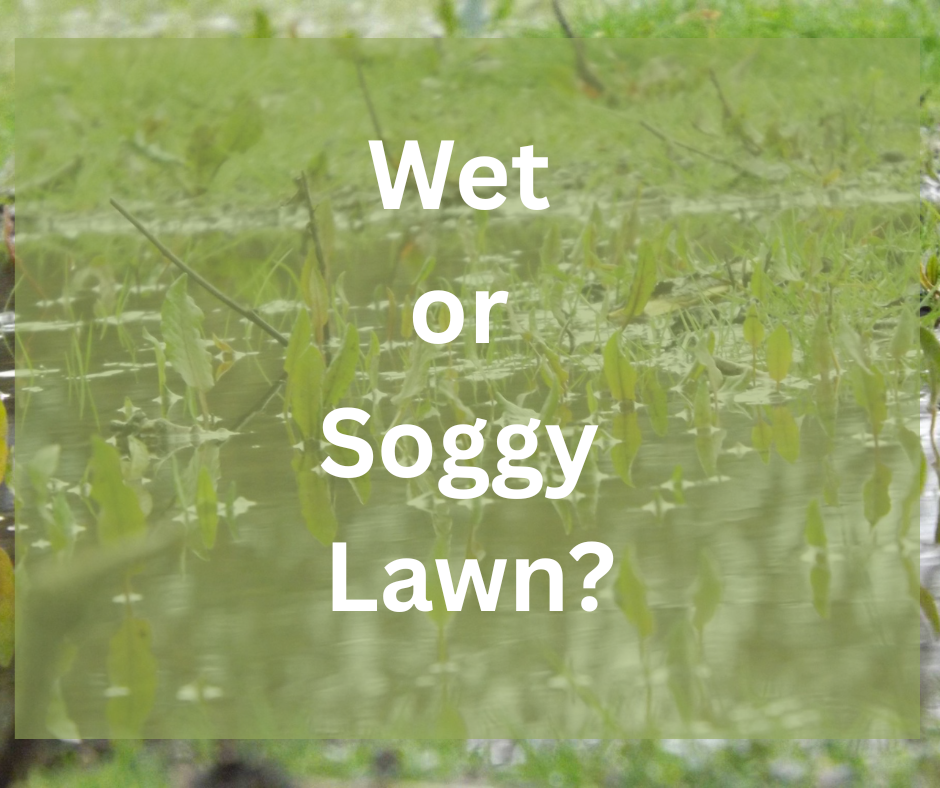
1. Soggy or Wet Lawns
The problem:
After rain, your grass stays soft, spongey, or muddy for days. You get soaked shoes when mowing, and your dog tracks mud into the house.
Why it happens in Windsor-Essex:
Clay-heavy soil that drains slowly
Flat subdivision lots with nowhere for water to go
Compacted lawn from years of use
How we fix it:
Install hidden dry wells or flow-wells to collect excess water
Create proper grading so the lawn sheds water
Move downspouts far away from the wet areas
Add underground drainage to lower the water table in that zone
Typical result:
A lawn you can walk on the next day — not 5 days later.
2. Standing Water in Backyards
The problem:
Water forms a large puddle or “mini pond” every time it rains. It can take days to disappear.
Why it happens:
Low spot in the yard (common near fences)
No drainage outlet to the front yard
Soil saturation due to high rainfall patterns
How we fix it:
Install subsurface detention systems (NDS Flo-Wells or equivalent)
Create a dry well field or underground reservoir
Add catch basins to capture surface water
Design an overflow path for the heaviest storms
Typical result:
A backyard that stops acting like a bowl and finally drains properly.
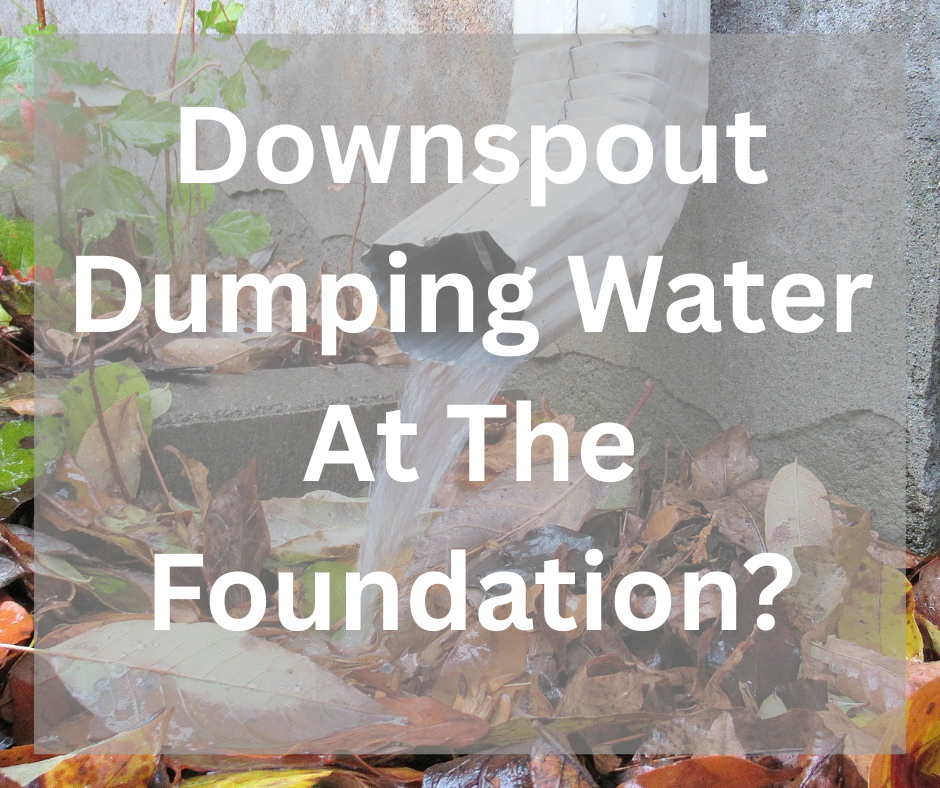
3. Downspouts Dumping Water at the Foundation
The problem:
Your eavestroughs push hundreds of gallons of water right beside your basement wall, causing:
Foundation leaks
Musty basements
Settlement around the home
How we fix it:
Extend downspouts underground 10–30 ft
Install pop-ups or outlet points far from the home
Use leaf filters to keep the system flowing
Tie multiple downspouts into one clean, reliable line
Typical result:
A dry foundation, fewer leaks, and peace of mind during rainfall.
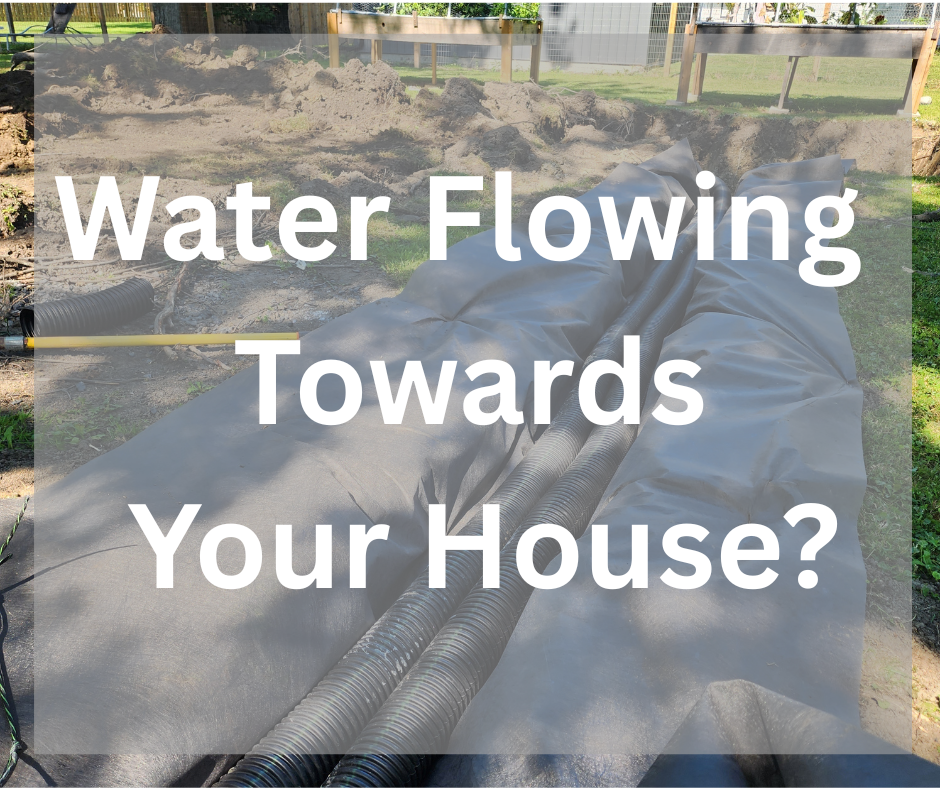
4. Water Flowing Toward the House / Negative Grading
The problem:
Your yard slopes into your house instead of away from it — sometimes due to settling or previous landscaping.
How we fix it:
Re-grade the soil so the home is protected
Install French drains to intercept water
Repair or re-set paver surfaces to create proper drainage slopes
Typical result:
Rainwater moves away from the house the way it should — not toward it.
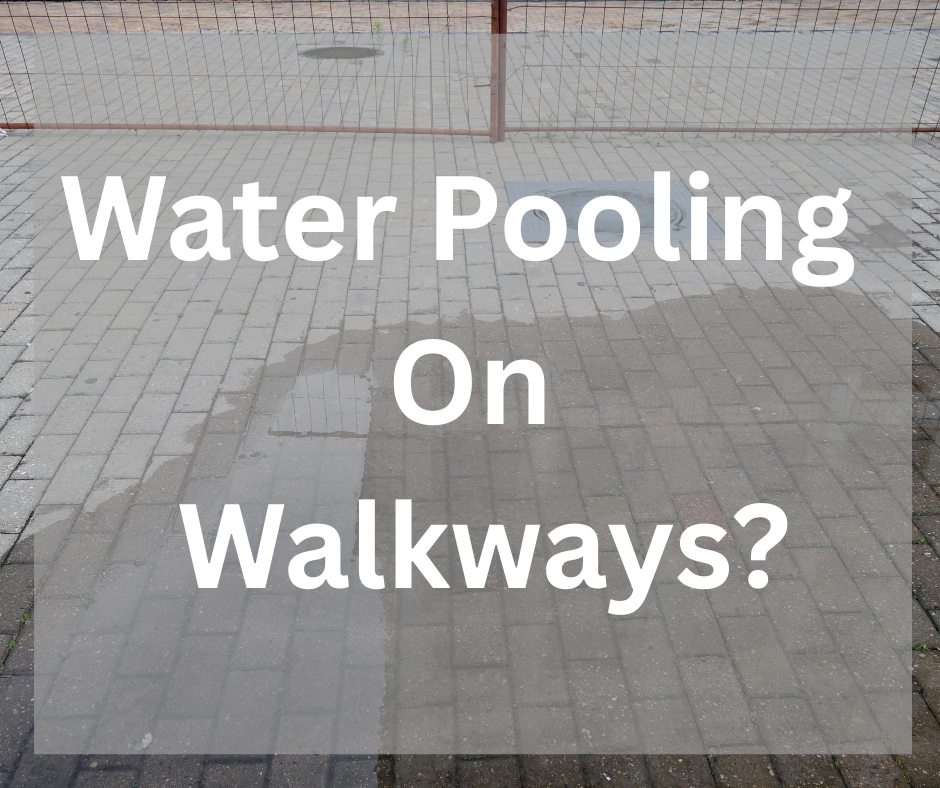
5. Soil Erosion, Washed-Out Gardens & Water Pooling on Walkways
The problem:
Water runs across your yard too quickly, creating ruts, washing mulch away, or pooling on your patio.
How we fix it:
Install collection basins or trench drains
Redirect runoff away from gardens and patios
Tune the slope to balance infiltration and movement
Typical result:
A clean, well-draining yard with no mess after storms.
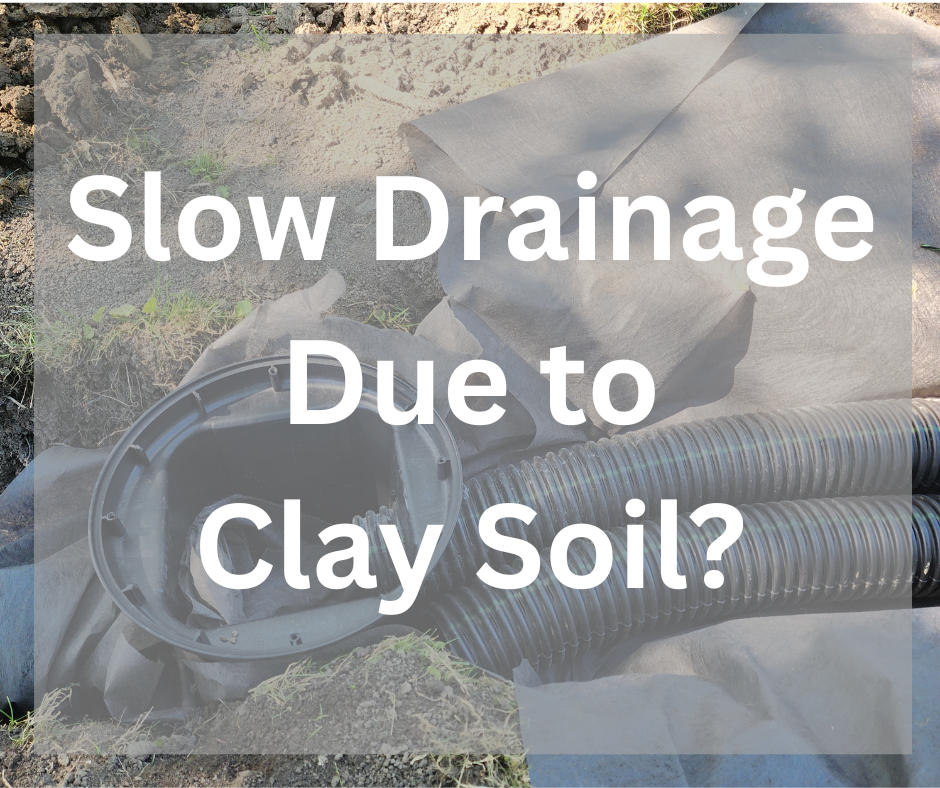
6. High Water Table Pockets + Slow Drainage in Clay Soil
The problem:
Windsor-Essex’s clay soil holds water much longer than sandy regions.
How we fix it:
Create reservoir-style dry wells
Use perforated pipe to lower the water table in targeted zones
Add engineered backfill (3/4” clear stone) to help water percolate
Typical result:
A yard that behaves like it has better soil — even if it doesn’t.
Benefits to Choosing Us
We specialize ONLY in drainage solutions — not as a side-service.
Simple pricing & clear packages
Fast diagnosis using photos & Google Earth
Low-impact equipment & careful access
Solutions designed specifically for Windsor-Essex soil and weather
Call Dry Yard Drainage
Take back your yard. Stop the mud. Stop the flooding. Start enjoying your property again.
📞 519 992 4919
📍 Windsor-Essex County
🌐 Website coming soon
🛠 Certified in NDS Drainage Systems
What is a French drain and how does it work?
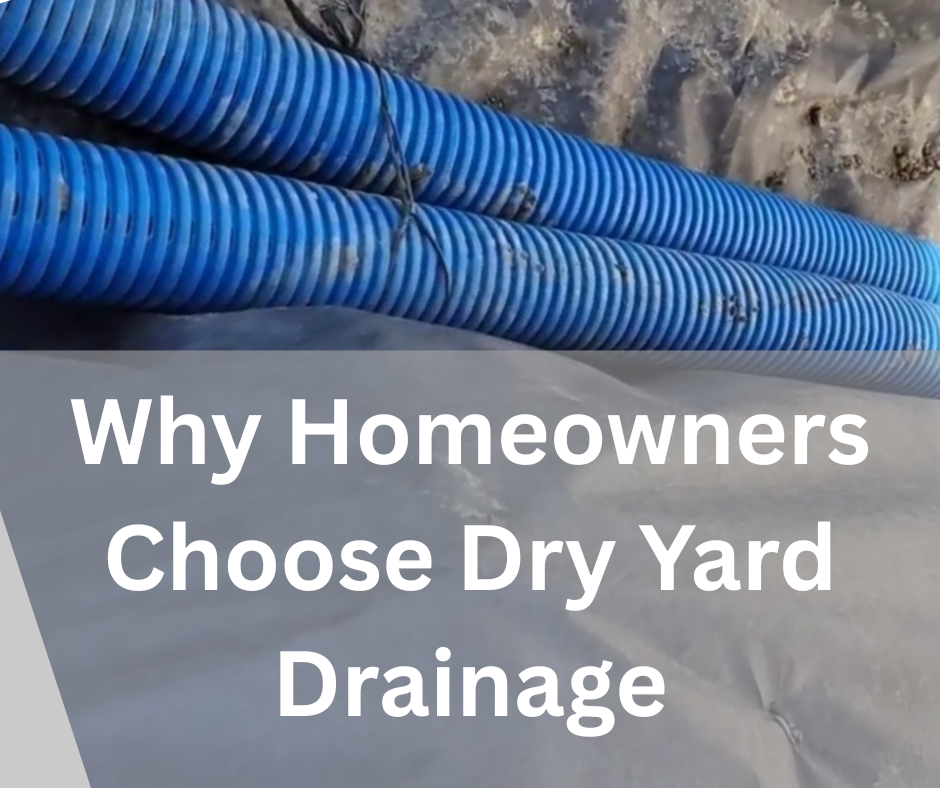
A French drain is a gravel-filled trench with a perforated pipe that collects excess water and redirects it away from your yard or foundation. It relieves water pressure and prevents pooling, flooding, and soil saturation. That is a traditional French Drain. Our French Drains have slight variations to increase performance-we may install 2-4 perforated pipes to increase to volume of water that our drain can handle as well as making sure the pipes still function if any sediment infiltrates. We always make sure to install filter fabric to trench to ensure that native soil does not compromise the French Drain system.
Do I need a French drain if my basement isn’t flooding?
Yes. Standing water in the yard, soggy soil, or water collecting near the foundation are early warning signs. Installing drainage early can prevent future basement leaks and foundation damage.
Is yard drainage better than just regrading?
Regrading can help in some cases, but it often isn’t enough on its own. Proper drainage systems move water away permanently, while grading alone may only delay the problem. In many instances grading can actually make the situation worse. Building up low points in the yard where water pools will simply “chase” or “push” the water towards your foundation or a neighbors yard. Low points in the yard where water sits can be useful in our drainage designs as this is natural “collection” point where a catch basin can be installed and used to capture and move water to a discharge or storage area. If these low points are filled in the water may be dispersed around the entire yard and a more comprehensive and expensive system will be needed.
How long does a drainage system last?
When installed correctly with proper materials and slope, a drainage system can last decades with little to no maintenance.
How do I know where the water problem is coming from?
Every property is different. We assess soil conditions, slope, runoff paths, and foundation areas to identify the source before recommending a solution.
French Drain Cost In Windsor-Essex
How much does a French drain cost in Windsor, Ontario?
Most French drain installations in Windsor range from $5000 to $12,000+.
The final cost depends on the length of the drain, soil conditions (heavy clay is common in Windsor), access, and where the water can be discharged. Homes that require longer runs, sump connections, or deeper excavation may cost more. A site visit is the best way to determine an accurate price.
Why Yards in Windsor-Essex Stay Wet — And What Actually Fixes It
If your backyard feels soggy every spring or you notice standing water that lingers for days after rain, you’re not alone. Many homeowners in Windsor-Essex struggle with persistent drainage issues — and the causes are usually deeper than they appear.
Understanding why your yard stays wet is the first step toward fixing it properly.
1. Heavy Clay Soil Holds Water
Much of Windsor-Essex sits on dense clay soil. Clay drains extremely slowly compared to sandy soil. Instead of allowing water to percolate downward, clay traps moisture near the surface.
That’s why:
Lawns stay soft for days after rain
Footprints remain visible
Water pools in low spots
Driveways and patios may heave during freeze-thaw cycles
Without a controlled drainage path, water has nowhere to go.
2. Frost Makes It Worse
Winter freeze-thaw cycles push moisture upward through the soil. When that trapped water freezes, it expands. In spring, everything thaws and the ground becomes saturated.
This often leads to:
Heaving concrete slabs
Shifting pavers
Soft, unstable lawn areas
Foundation moisture concerns
A single harsh winter can reveal drainage weaknesses that weren’t obvious before.
3. Downspouts Aren’t Enough
Many homes have downspouts extended a few feet from the foundation. While that helps, it often doesn’t solve the problem — especially if:
The yard is flat
The property is lower than surrounding lots
The soil is clay-heavy
There’s no true discharge point
Water needs a destination. Simply redirecting it a few feet rarely solves saturation.
4. Grading Helps — But Only in Certain Circumstances
Regrading can improve surface flow, but it doesn’t always address subsurface water. If the ground beneath your lawn remains saturated, you may still experience:
Lawn squishiness
Ice buildup in winter
Water collecting near structures
Also a mistake home many homeowners make is to build up the low spots in their yard in the hope that the water wont pool there. In reality it only pushes water closer to their foundation or runs into neighboring properties without actually fixing the problem.
5. What Actually Fixes Persistent Yard Drainage Issues
The correct solution depends on the cause. Common solutions include:
Perimeter French Drains
Installed below grade to collect and redirect subsurface water away from problem areas.
Curtain Drains
Intercept groundwater before it reaches structures.
Solid Discharge Lines
Move collected water to a proper outlet — ditch, storm connection, or low point.
Catch Basins
Capture concentrated surface runoff.
Foundation Perimeter Drainage (When Necessary)
Outdoor Sump Pump Systems can be extremely useful in Windsor Essex because of frequent negative slopes in yards and low lying areas, where gravity fed systems are not possible.
In more severe cases, protecting the structure itself may require deeper perimeter systems.
No two properties are identical. The goal is controlled water management — not just moving water temporarily.
When Should You Call a Drainage Specialist?
You should consider a professional drainage assessment if you notice:
Standing water lasting more than 24–48 hours
Driveway or patio heaving
Basement moisture concerns
Crawl space mold
Downspout backups
Marshy or unusable yard areas
Ignoring water problems rarely makes them disappear. Over time, they typically worsen.
Professional Yard Drainage in Windsor-Essex
Dry Yard Drainage specializes in residential yard water management solutions throughout Windsor and surrounding areas.
Our approach focuses on:
Proper diagnosis
Long-term solutions
Clean installation practices
Clear communication about realistic outcomes
If you’re unsure what’s causing your drainage issues, a structured assessment is the first step.
Water always follows gravity — the question is whether it’s flowing where it should.
Downspout Water Basins and Yard Drainage Solutions in Windsor-Essex
Many homeowners in Windsor-Essex County experience drainage problems such as standing water in their yard, soggy lawns, or water pooling near the foundation after heavy rain.
Because Windsor has very flat terrain and clay-heavy soil, water often has nowhere to go. Without proper drainage, this water can collect around your home and eventually cause foundation moisture problems or basement leaks.
One of the most common solutions begins with improving how water leaves your roof using a downspout water basin and underground drainage system.
Downspout Water Basins: Controlling Roof Runoff
Every rainstorm sends hundreds of gallons of water off your roof through your gutter system. If that water simply dumps beside your foundation, it can quickly saturate the soil and cause drainage problems.
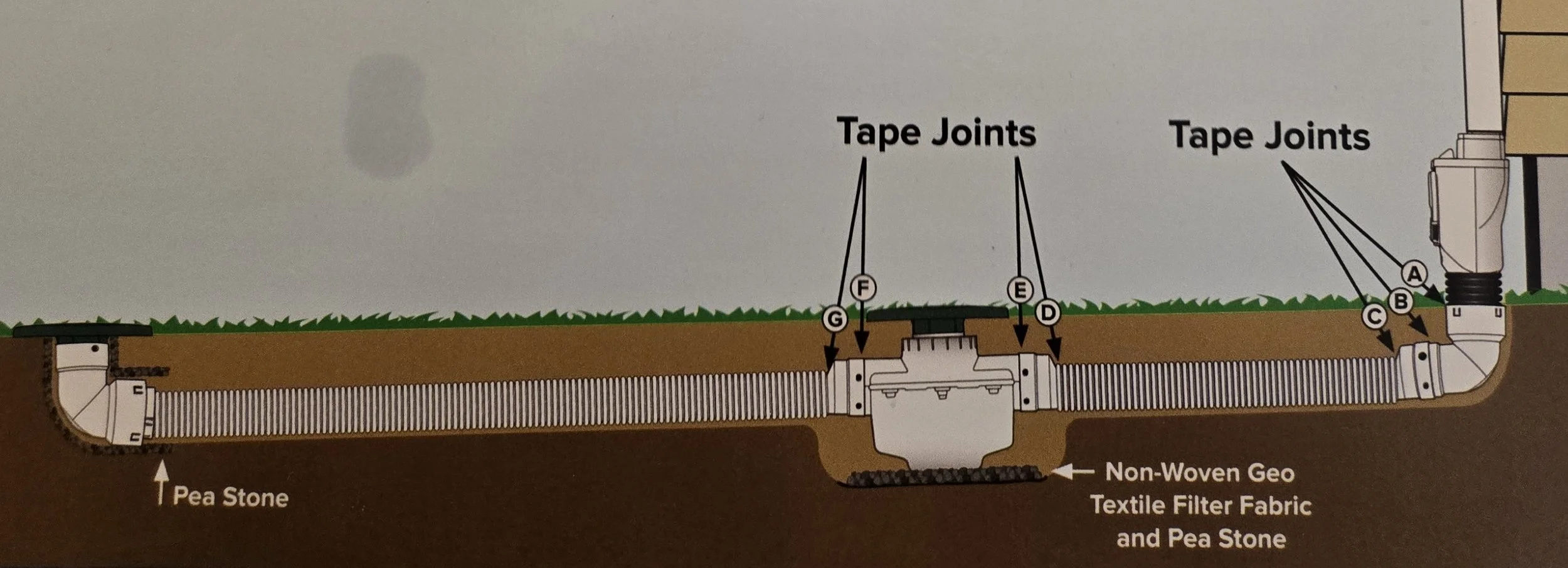
A downspout water basin collects rainwater from the downspout and redirects it into an underground drainage pipe.
Instead of pooling near the house, the water is carried safely away to a lower area of the yard or another proper drainage outlet.
Modern systems often include:
• downspout leaf filters
• clean-out access points
• heavy-duty drainage pipe
• filtration fabric and stone
These systems are designed to prevent clogs while moving water efficiently away from your home.
French Drain Systems for Yard Drainage
In many cases, roof runoff is only part of the drainage problem. Water can also collect underground due to poor soil drainage.
A French drain system is often installed to solve this issue.
French drains use perforated drainage pipe surrounded by gravel and filter fabric to collect groundwater and move it away from problem areas.
French drains are commonly installed in:
soggy backyards
low spots in lawns
areas between houses
along foundations
When installed properly, French drains can dramatically improve yard drainage and help prevent water from building up around the home.
Trench Drains for Surface Water Problems
Sometimes the problem is not groundwater but surface water flowing across the yard.
A trench drain can intercept that water before it reaches the foundation or patio.
Trench drains are often installed:
along driveways
beside walkways
across low points in yards
between homes where water flows downhill
They collect water quickly and redirect it into a drainage pipe system.
Yard Drainage Solutions for Windsor Homes
Every yard is different, but most drainage problems are solved using a combination of:
• downspout drainage systems
• French drains
• trench drains
• yard regrading
The goal is simple: give water a controlled path away from your home.
By directing water away from foundations and problem areas, you can protect both your lawn and your house from long-term moisture damage.
Professional Drainage Contractor in Windsor-Essex
At Dry Yard Drainage, we specialize in solving yard drainage problems for homeowners across Windsor and Essex County.
Our drainage systems are designed to move water away from your home safely and efficiently using proven techniques such as:
downspout water basins
French drains
trench drains
underground drainage piping
If you are dealing with standing water in your yard or drainage problems around your home, a properly designed drainage system can make a significant difference.
Yard Drainage Services in Windsor-Essex County
Dry Yard Drainage helps homeowners solve drainage issues throughout the Windsor-Essex area with professional yard drainage solutions.
If your yard stays wet after rain or water is collecting near your home, improving your drainage system can protect your foundation and keep your property dry.
Deep Yard Catch Basin Installation in Windsor: How to Fix Standing Water in Your Yard
If you’re dealing with standing water in your yard after rain or snow melt, you’re not alone. Many homeowners in Windsor struggle with poor drainage—especially in areas with heavy clay soil or low spots in the lawn.
One of the most effective solutions is installing a deep yard catch basin.
What is a Deep Yard Catch Basin?
A deep yard catch basin is a drainage system installed below ground level to collect and redirect water away from problem areas in your yard.
It works by:
Capturing surface water in low spots
Holding debris in a sump area
Connecting to a solid drain pipe
Carrying water safely away from your property
This prevents water from pooling near your home, lawn, or foundation.
When Do You Need a Catch Basin?
You may need a deep yard catch basin if you notice:
Water pooling in the same area after rain
Soggy or unusable sections of your lawn
Drainage issues that don’t improve over time
In Windsor, these problems are common due to seasonal rain and snow melt.
Why Depth Matters
A deep catch basin allows:
Better water storage during heavy rainfall
Improved debris collection (reducing clogs)
More efficient connection to underground drainage systems
Shallow systems often fail because they can’t handle volume or debris.
At Dry Yard Drainage, we install catch basins that are:
Properly graded for water flow
Connected to solid drain lines
Wrapped and protected to prevent clogging
Designed specifically for Windsor soil conditions
We don’t just install a basin—we build a system that works long-term.
Standing water isn’t just annoying—it can lead to:
Foundation issues
Lawn damage
If your yard isn’t draining properly, it’s best to address it early.
Contact us today for a drainage assessment in Windsor and surrounding areas.